

A startup launch strategy is a meticulously planned roadmap that outlines every step a new business takes to introduce its product or service to the market, gain initial traction, and establish a foundation for sustainable growth. This comprehensive plan details market validation, product development, brand positioning, go-to-market execution, and post-launch optimization efforts. The strategy integrates technical, marketing, sales, and operational components to ensure cohesive market entry.
1. Laying the Foundation: Pre-Launch Essentials
Establishing a strong pre-launch foundation is critical for startup success. This phase involves defining core principles, validating market viability, and deeply understanding the operational environment. Thorough preparation minimizes risk and maximizes impact upon market entry.
1.1 Defining Your Vision and Mission
Defining organizational purpose creates internal alignment and external clarity. A clear mission and vision guide all strategic decisions.
- Crafting a compelling mission statement. A mission statement articulates the company's core purpose and primary objectives. It defines what the business does, for whom, and why it exists. This statement should be concise and enduring.
- Establishing core values and company culture. Core values are the fundamental beliefs that guide an organization's actions and behaviors. They shape the company culture, influencing hiring, decision-making, and internal interactions. A strong culture attracts talent and fosters a cohesive team.
1.2 Validating Your Business Model
Business model validation confirms that the proposed solution addresses a real market need efficiently. This process reduces development waste and increases market acceptance likelihood.
- Problem-solution fit and product-market fit. Problem-solution fit occurs when a startup has identified a compelling problem and developed a viable solution. Product-market fit is achieved when a product satisfies a strong market demand, demonstrating significant user engagement and retention. Achieving this fit is essential before scaling.
- Lean startup methodology: Build-Measure-Learn. The Lean Startup methodology emphasizes iterative development and validated learning. Startups build a Minimum Viable Product (MVP), measure its impact, and learn from user feedback to pivot or persevere. This cycle accelerates learning and reduces time to market for a validated product.
- Minimum Viable Product (MVP) development. An MVP is the version of a new product that allows a team to collect the maximum amount of validated learning about customers with the least effort. It contains only essential features required to solve a core problem for early adopters. This approach validates core hypotheses before significant investment.
1.3 Understanding Your Market Landscape
A deep understanding of the market context informs strategic positioning and resource allocation. This includes identifying opportunities and threats within the competitive environment.
- Market Entry Strategies: Identifying target markets and their nuances. Market entry strategies define how a product or service will be introduced to a specific market. This involves selecting appropriate channels, pricing models, and promotional activities tailored to market characteristics. Understanding local regulations and consumer behavior is paramount.
- Market size, growth potential, and competitive analysis. Assessing market size determines the total potential revenue or customer base. Growth potential indicates future expansion opportunities. Competitive analysis identifies direct and indirect rivals, their strengths, weaknesses, and market positioning. This analysis informs differentiation strategies.
- Identifying target audience and key opinion leaders. The target audience comprises the specific consumer segment most likely to purchase the product. Key Opinion Leaders (KOLs) are influential individuals whose endorsement can significantly impact target audience perception and adoption. Engaging KOLs can accelerate early market penetration.
- Segmentation: Defining ideal customer profiles (ICPs) for Small and Medium-sized Enterprises (SME) and other segments. Market segmentation divides a broad market into distinct groups with similar needs and characteristics. Defining ICPs for specific segments, such as SMEs, allows for tailored marketing and sales efforts. This precision enhances campaign effectiveness and resource efficiency. Targeting early adopters is crucial for startups, as their willingness to try new products provides essential feedback and sets early trends for broader market acceptance.
2. Building Your Product: Development & Readiness
Product development is a critical phase where the validated concept transforms into a tangible offering. This involves structured engineering, rigorous testing, and robust infrastructure planning to ensure scalability and security.
2.1 Product Development Lifecycle
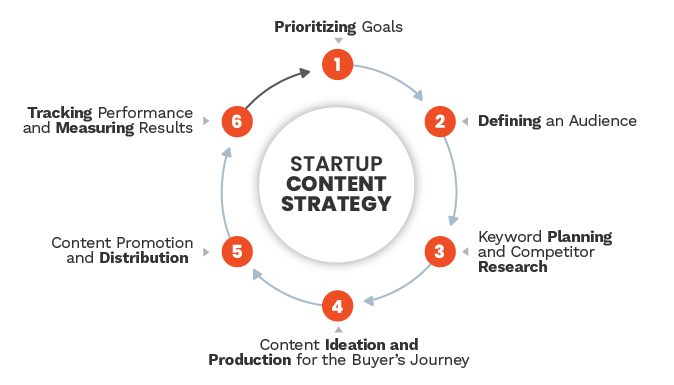
The product development lifecycle outlines the stages a product goes through from conception to retirement. Efficient management ensures timely delivery and feature relevance.
- Agile development and iterative releases. Agile development methodologies prioritize flexibility, customer collaboration, and rapid response to change. Iterative releases involve developing and deploying product features in small, manageable cycles, allowing for continuous feedback integration and refinement. This approach ensures the product evolves with market needs.
- Feature prioritization and roadmap planning. Feature prioritization involves ranking potential product features based on their value to users and the business. Roadmap planning outlines the strategic direction and evolution of the product over time, detailing major releases and key functionalities. This ensures development efforts align with strategic goals.
2.2 Quality Assurance and Testing
Rigorous testing validates product functionality, performance, and user experience before launch. Comprehensive QA prevents defects and ensures a high-quality user experience.
- User acceptance testing (UAT). UAT is a type of testing performed by end-users or clients to verify that the system meets business requirements and user needs. It confirms the product functions as expected in a real-world scenario. Successful UAT is a prerequisite for launch.
- Beta programs and early adopter feedback. Beta programs involve releasing a near-final product version to a selected group of early adopters for real-world testing. Their feedback identifies bugs, usability issues, and areas for improvement, providing valuable insights for final adjustments before general release.
2.3 Technical Infrastructure & Platform Engagement
A robust and secure technical foundation supports product performance and scalability. Strategic platform engagement extends product reach and functionality.
- Scalable architecture and robust systems. Scalable architecture is designed to handle increasing user loads and data volumes without performance degradation. Robust systems are resilient against failures and ensure high availability. Planning for scalability from inception prevents costly re-engineering later.
- Network Security protocols and data privacy. Network security involves implementing measures to protect computer networks and data from unauthorized access, misuse, modification, or denial of access. Data privacy ensures that personal information is collected, stored, and used in accordance with legal regulations and user consent. These protocols are essential for maintaining user trust and compliance.
- Understanding platform APIs and potential challenges (e.g., HTTP 403 Forbidden Error when interacting with external services or platforms). Application Programming Interfaces (APIs) allow different software systems to communicate. Startups integrating with external services must understand API documentation and potential error codes. An HTTP 403 Forbidden Error, for instance, indicates that the server understood the request but refuses to authorize it, often due to invalid credentials, insufficient permissions, or security blocks. Diagnosing and resolving such errors is critical for seamless integration and user experience.
- Engaging with community platforms like Reddit Platform for feedback or marketing, including the use of a Developer Token for API access. Platforms like Reddit Platform host vast communities relevant to various niches. Startups can engage these communities for authentic feedback, early product testing, and targeted marketing by participating in relevant subreddits. For advanced interactions, such as building custom tools or analytics, Reddit's API may require a Developer Token to grant authorized access to user data or platform functionalities when encountering issues like a 403 Forbidden error.
3. Crafting Your Brand & Message
Developing a strong brand identity and a clear message differentiates a startup in the market. This stage ensures that the product resonates with the target audience and communicates its unique value.
3.1 Developing Your Brand Identity
Brand identity encompasses all visible elements that identify and distinguish a brand. It defines how a company is perceived by its audience.
- Brand voice, visual identity, and messaging. Brand voice is the consistent personality and emotion conveyed through a company's communications. Visual identity includes logos, colors, typography, and imagery. Messaging defines the core information conveyed about the brand and its offerings. These elements create a cohesive brand presence.
- Branding and Brand Salience: Ensuring your brand stands out and is memorable. Branding is the process of creating a unique name and image for a product in the consumers' minds. Brand salience refers to the degree to which a brand is thought about or noticed by consumers. High brand salience ensures that customers recall the brand readily when making purchase decisions within its category.
3.2 Positioning Your Offering
Strategic positioning clarifies the unique value a product offers relative to competitors. It defines how the product fits into the market.
- Unique Selling Proposition (USP) and value proposition. A Unique Selling Proposition (USP) is the distinct factor that sets a product or service apart from its competitors. A value proposition is a statement that describes the tangible benefits a customer will receive from using the product. Both define why a customer should choose the startup's offering.
- How your Product Launch addresses market needs. A successful Product Launch clearly articulates how the new offering solves specific problems or fulfills unmet needs in the target market. This alignment demonstrates relevance and utility to potential customers.
3.3 Key Message Development
Effective messaging communicates the brand's value succinctly and persuasively. It forms the basis of all marketing communications.
- Concise, impactful, and audience-specific messages. Messages must be clear and direct, conveying significant information without unnecessary elaboration. Tailoring messages to specific audience segments increases their relevance and impact.
- Storytelling for emotional connection. Storytelling frames brand messages within a narrative that resonates emotionally with the audience. This method creates a deeper connection than factual presentations alone, fostering loyalty and engagement.
4. Launch Planning & Execution: Going to Market
The launch planning and execution phase is where all pre-launch preparations converge into coordinated market introduction. This involves strategic planning, sales process definition, and integrated marketing efforts.
4.1 Strategic Go-to-Market (GTM) Plan
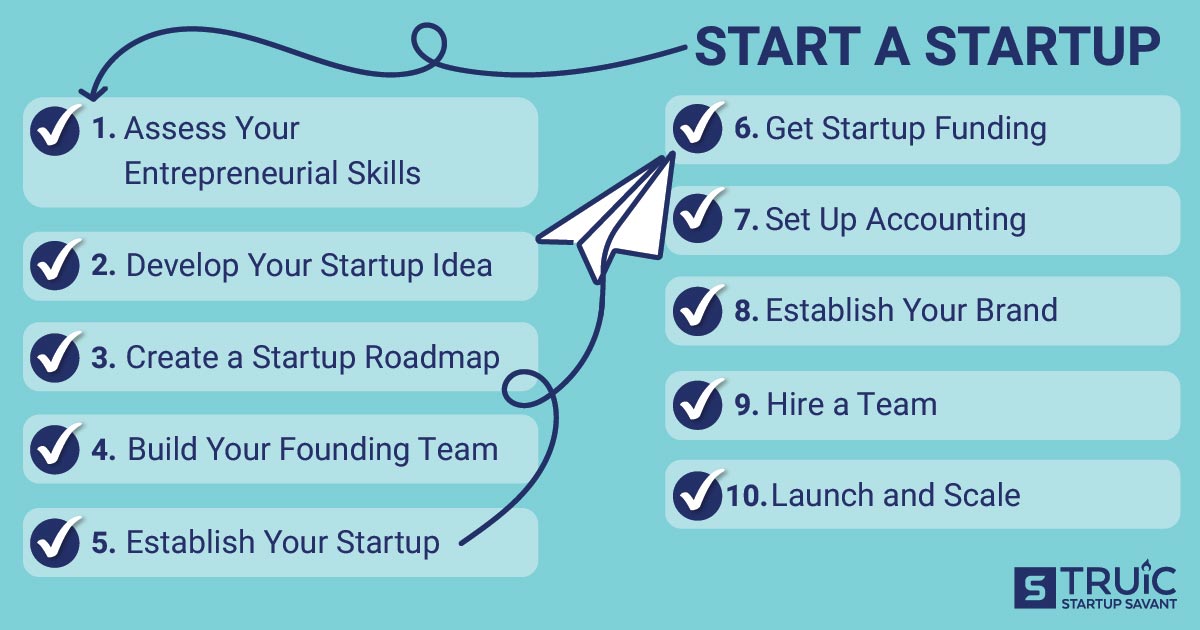
A GTM plan outlines the strategy for bringing a product to market. It integrates marketing, sales, and distribution to achieve a competitive advantage.
- Setting clear launch goals. Clear launch goals define what success looks like for the product introduction. These goals should be SMART (Specific, Measurable, Achievable, Relevant, Time-bound). Specific goals like achieving a certain number of sign-ups or a defined market share are crucial for guiding launch activities and measuring outcomes.
- Choosing the right launch plan type (e.g., stealth, soft, grand). Different launch types suit different products and market conditions. A stealth launch operates with minimal public announcement to develop an offering or test a market quietly. A soft launch targets a limited audience for feedback before wider release. A grand launch involves significant marketing effort for maximum immediate impact.
4.2 Sales Process Management
An efficient sales process is essential for converting leads into customers. It defines the steps from initial contact to closing a sale.
- Developing a sales funnel and conversion strategy. A sales funnel visualizes the customer's journey from initial awareness to purchase. A conversion strategy identifies actions to move customers through each stage of the funnel, optimizing for sales outcomes.
- Pre-sales activities and lead generation. Pre-sales activities prepare potential customers for a purchase through education and engagement. Lead generation involves identifying and cultivating potential customers interested in the product or service. These activities build a pipeline for sales.
- CRM integration. Customer Relationship Management (CRM) systems manage and analyze customer interactions and data throughout the customer lifecycle. Integrating a CRM streamlines sales processes, improves customer service, and supports data-driven decision-making.
4.3 Marketing & Communication Mix
The marketing and communication mix utilizes various channels to promote the product and engage the target audience. An integrated approach maximizes reach and impact.
- Search Engine Optimization (SEO): Keyword research, technical SEO, content strategy. SEO optimizes website content and structure to rank higher in search engine results. Keyword research identifies relevant search terms. Technical SEO addresses website architecture and performance. A content strategy plans the creation and distribution of valuable content. Effective SEO drives organic traffic and visibility.
- Content Marketing: Blog posts, guides, whitepapers. Content marketing involves creating and distributing valuable, relevant, and consistent content to attract and retain a clearly defined audience. Blog posts, ultimate guides, and whitepapers educate potential customers and establish thought leadership.
- Public Relations (PR) strategy and media outreach. A PR strategy manages the dissemination of information from a startup to the public to maintain a favorable public image. Media outreach involves contacting journalists and influencers to secure coverage. Positive media mentions enhance credibility.
- Digital Advertising: Paid search, social media ads. Digital advertising uses internet-based channels to deliver promotional messages to target consumers. Paid search (e.g., Google Ads) targets users actively searching for solutions. Social media ads leverage platform data for precise audience targeting.
- Email marketing campaigns. Email marketing involves sending commercial messages to a group of people using email. Campaigns can nurture leads, announce product updates, or offer promotions, maintaining direct communication with the audience.
4.4 Leveraging Specific Market Insights & Channels
Tailoring strategies to specific market characteristics enhances effectiveness, especially for global expansion. Cultural sensitivity is key to successful market entry.
- Localization Strategy: Tailoring content and approach for diverse markets. A Localization Strategy adapts a product or service's content, language, and cultural references to meet the specific needs and preferences of a target market. This goes beyond simple translation to ensure cultural relevance and usability.
- Case Study: Entering the Japanese Market
- Social Media in Japan: Understanding LINE, YouTube, X (Twitter), Instagram, Facebook, and TikTok for marketing. Entering the Japanese Market requires a distinct approach due to unique cultural and technological landscapes. Social Media in Japan features popular platforms like LINE, which acts as a super app for messaging, payments, and news, used by over 76% of the population. X (formerly Twitter) is a popular platform for real-time updates and community engagement.
- Instagram thrives on visual storytelling, while TikTok is growing rapidly, especially among younger demographics. Businesses must tailor their social media presence to these platforms and user behaviors.
- Cultural nuances in communication and branding. Japanese communication and branding require careful consideration of cultural values. Direct, aggressive marketing prevalent in some Western markets can be counterproductive, so localization efforts must consider these nuances to build trust and acceptance.
5. Post-Launch: Measure, Learn, and Adapt
The post-launch phase is a continuous cycle of evaluation, refinement, and expansion. This iterative approach ensures sustained growth and market relevance.
5.1 Performance Measurement & Analytics
Tracking key metrics provides insights into launch effectiveness and product performance. Data-driven decisions inform future strategies.
- Key Performance Indicators (KPIs) for launch success. KPIs are quantifiable metrics used to evaluate the success of a launch. Examples include user acquisition rate, activation rate, customer lifetime value (CLTV), and churn rate. Monitoring these provides a clear picture of initial market reception.
- Tracking user acquisition, engagement, and retention. User acquisition measures how effectively new users are joining the platform. Engagement tracks how users interact with the product (e.g., time spent, features used). Retention measures the percentage of users who continue to use the product over time. These metrics indicate early product-market fit and user satisfaction.
5.2 Feedback Collection & Iteration
Gathering and acting on feedback is fundamental for product improvement and sustained user satisfaction. This iterative process drives product evolution.
- Surveys, user interviews, and A/B testing. Surveys collect quantitative and qualitative data from a broad user base. User interviews provide deep insights into individual user experiences and motivations. A/B testing compares two versions of a product feature or marketing message to determine which performs better. These methods provide actionable feedback.
- Product improvements based on data. All product enhancements and feature modifications should be informed by collected data and user feedback. This ensures that development efforts address genuine user needs and market demands, leading to a more refined and valuable product.
5.3 Scaling Operations
Scaling involves expanding the startup's capacity to handle increased demand and growth. This includes enhancing support systems and broadening marketing reach.
- Customer support and community management. Robust customer support resolves user issues efficiently, contributing to satisfaction and retention. Community management fosters a positive user environment, facilitating peer support and gathering feedback. These functions are crucial for maintaining a loyal user base.
- Expanding marketing efforts. As the product gains traction, marketing efforts must scale accordingly. This may involve increasing digital advertising budgets, exploring new marketing channels, or expanding into new geographical markets. Expansion should be data-driven and strategically aligned.
6. Leadership & Team Development for Launch Success
Strong leadership and a cohesive team are indispensable during the high-pressure environment of a startup launch. Effective team development ensures operational efficiency and strategic agility.
6.1 Building a High-Performance Launch Team
A high-performance team is characterized by clear roles, effective collaboration, and strong communication, all vital for navigating the complexities of a launch.
- Roles, responsibilities, and cross-functional collaboration. Clearly defined roles and responsibilities prevent duplication of effort and ensure accountability. Cross-functional collaboration, where teams from different departments work together, breaks down silos and fosters holistic problem-solving crucial during a launch.
- Communication strategies. Effective communication strategies ensure that all team members are informed and aligned. This includes regular updates, clear decision-making processes, and open channels for feedback. Transparency reduces uncertainty and builds trust.
6.2 The Role of Leadership
Leadership provides vision, direction, and motivation, especially during challenging launch phases. The right leadership style can significantly impact team performance and launch outcomes.
- Transformational Leadership: Inspiring vision, fostering innovation, and empowering teams. Transformational Leadership inspires followers to achieve extraordinary outcomes and to develop their own leadership capacity. This style involves articulating a clear vision, providing intellectual stimulation, recognizing individual contributions, and fostering a culture of innovation and empowerment. For a startup launch, transformational leaders motivate teams to overcome obstacles and strive for excellence, transforming challenges into opportunities.
- Decision-making under pressure. Leaders must make rapid, informed decisions in high-stakes, time-sensitive launch scenarios. This requires analytical skills, the ability to assess risks, and confidence in execution.
6.3 Supporting Founders and Executives
Providing support structures for leadership ensures they can effectively steer the startup through critical periods.
- Executive Coaching: Guidance on navigating launch complexities, leadership challenges, and strategic thinking. Executive Coaching offers personalized guidance to founders and executives, enhancing their leadership capabilities and decision-making skills. Coaches provide a confidential sounding board for navigating the intense pressures and strategic complexities inherent in a startup launch, promoting self-awareness and effective strategy implementation.
FAQ
What are the critical elements of a successful startup launch strategy?
The critical elements include thorough market validation, a clear brand message, a well-defined go-to-market plan, robust technical infrastructure, effective sales processes, and continuous iteration based on feedback. Each component contributes to market acceptance and sustainable growth.
How does Transformational Leadership impact a startup's launch?
Transformational leadership provides a clear vision, inspires the team to innovate and overcome challenges, and fosters a culture of accountability and resilience crucial for navigating the intense periods leading up to and during a launch. This leadership style motivates teams to transcend their self-interest for the organizational good.
Why is Localization Strategy important, especially for global startup launches?
A localization strategy ensures that your product, marketing messages, and user experience resonate with specific cultural, linguistic, and regional preferences, which is vital for effective Market Entry Strategies and avoiding missteps in diverse markets like the Japanese Market. It moves beyond translation to cultural adaptation, improving user adoption.
What role does Network Security play in a Product Launch?
Network security is paramount to protect customer data, maintain trust, and prevent disruptions (like an HTTP 403 Forbidden Error on your own systems or for your users trying to access external services), ensuring a smooth and reliable user experience from day one. Compromised security can severely damage reputation and impede growth.
How can a startup effectively leverage platforms like Reddit Platform for its launch?
Startups can use Reddit for authentic community engagement, gathering early feedback on prototypes, conducting Q&A sessions, and targeted marketing by understanding specific subreddits. For advanced analytics or integrations, using a Developer Token can provide authorized API access, adhering to platform guidelines for respectful and effective engagement.
The Bottom Line
A well-executed startup launch strategy is not just about making a splash; it's about building a solid foundation for your venture's future. By meticulously planning from market validation to post-launch iteration, fostering strong leadership, and addressing critical aspects like network security and localization strategy, startups can significantly increase their chances of success and achieve market dominance.