
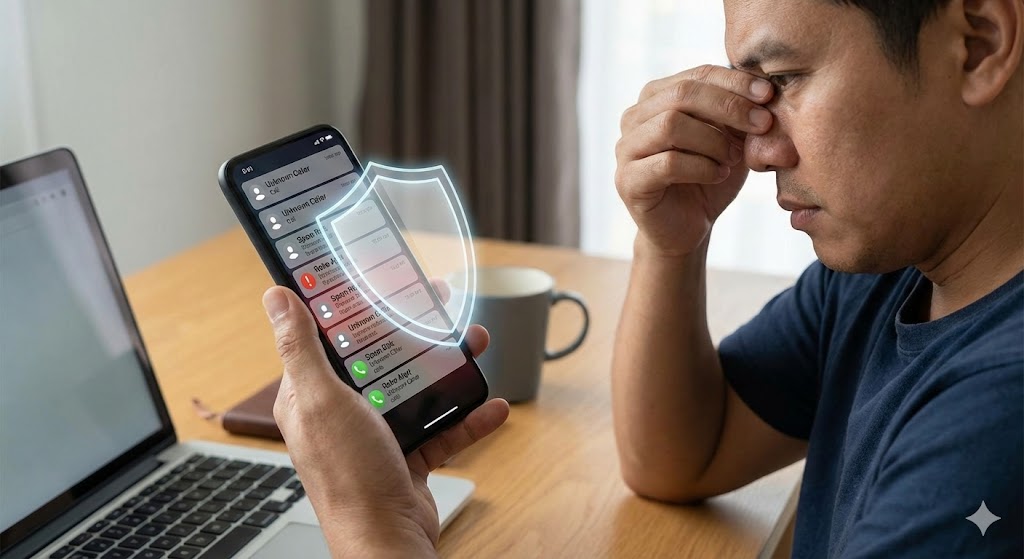
Have you ever looked at your phone, buzzing with yet another "car warranty" offer or a mysterious text from an unknown number, and wondered, "How did they get my number?" Or perhaps you’ve stumbled upon online threads discussing "revenge spam" the dark art of flooding someone's device with nuisance calls.
While the internet is rife with curiosity about how to sign someone up for spam calls and texts, the reality of how these lists are built is fascinating, terrifying, and crucial for your digital safety. Whether you are a tech enthusiast trying to understand the mechanics of telemarketing or a parent looking to shield your family, understanding the "how" is the first step to mastering the "prevention."
In this guide, we will deconstruct the methods used to populate spam lists, the tools that automate this chaos, and most importantly, how to lock down your personal data against these attacks.
The Mechanics: How Phone Numbers Enter the "Spam Cycle"
To understand how to protect a device, you must think like the data brokers and "pranksters" who flood them. It is rarely as simple as typing a number into a single website. The ecosystem is vast and often automated.
1. The "Passive" Sign-Up (The Trap of Toll-Free Numbers)
One of the most overlooked sources of spam is the Automatic Number Identification (ANI) system. According to security insights, when you dial toll-free numbers (prefixes like 800, 855, or 888), you are often inadvertently handing over your data.
- The Mechanism: Toll-free lines often bypass standard caller ID blocking because the receiving business pays for the call.
- The Result: Your number is captured, logged, and frequently sold to third-party marketing affiliates. You didn't "sign up" for spam, but the system signed you up the moment you dialed.
2. Social Data Scraping
If you have ever posted your resume on LinkedIn, listed a contact number on Facebook Marketplace, or joined a public WhatsApp group, you have likely been "signed up" by a bot.
- Web Scrapers: Automated scripts crawl public forums and social media profiles to harvest phone numbers.
- The Lesson: Posting your digits on the open web is the digital equivalent of nailing your business card to a telephone pole in a busy city.
3. Weaponized Tools: The "Prank" Economy
There is a subset of the internet dedicated to "SMS bombing" or automated spamming. Tools like AutoSender are frequently cited in discussions about spam. While often marketed for "bulk marketing" or "reminders," these tools allow users to schedule multiple messages to a single or multiple numbers simultaneously.
- How it works: A user inputs a target number and a message frequency. The software handles the rest, flooding the recipient's inbox.
- The Risk: While some see this as a harmless prank, it can quickly cross the legal threshold into harassment (more on that below).
Expert Perspective: The Legal & Ethical Reality
Is it illegal to sign someone up for spam?
The short answer: Yes, it can be.
While signing a friend up for a legitimate newsletter might just be annoying, using automated dialing systems or "SMS bombers" to flood a phone number often violates regulations like the Telephone Consumer Protection Act (TCPA) in the US.
From a cybersecurity perspective, "weaponizing" contact forms or using scripts to harass someone is a denial-of-service (DoS) attack on their personal communications.
- Harassment: If the intent is to annoy, abuse, or threaten, it is a crime.
- Consent: Legitimate marketing requires "prior express written consent." Signing someone else up fakes this consent, constituting fraud.
The Bottom Line: Using spam as a weapon isn't just a "prank"; it's a liability. The digital footprint you leave when using these tools can be traced back to you.